Finding Rare Mazda Rotary Parts: A Look Inside a Mazda Rotary Wrecker
If you have owned a rotary-powered Mazda for any length of time, you already know the feeling. Something goes wrong - a tired apex seal, a scored rotor housing, a failed oil seal - and suddenly you are staring at a car that will not run. The path forward is not always straightforward. New parts from Mazda have become harder to source for older models, and factory prices for things like a 13B turbocharger or a Renesis core can make your wallet ache. That is where a specialist Mazda rotary wrecker becomes more than just a scrapyard. It becomes a lifeline.
I have spent years working on these cars, from early RX-7s to the later RX-8, and I can tell you that the difference between a project that stalls and one that keeps moving often comes down to knowing where to find the right used part. A good wrecker does not just pull engines and stack them in a yard. They understand the quirks of the rotary engine - the way the E-Shaft interacts with the rotor housing, the telltale signs of a side housing that is still within spec, the subtle differences between a late-model Renesis and an earlier 13B. That knowledge changes everything when you are trying to keep an old car on the road.
What a Rotary Wrecker Actually Does
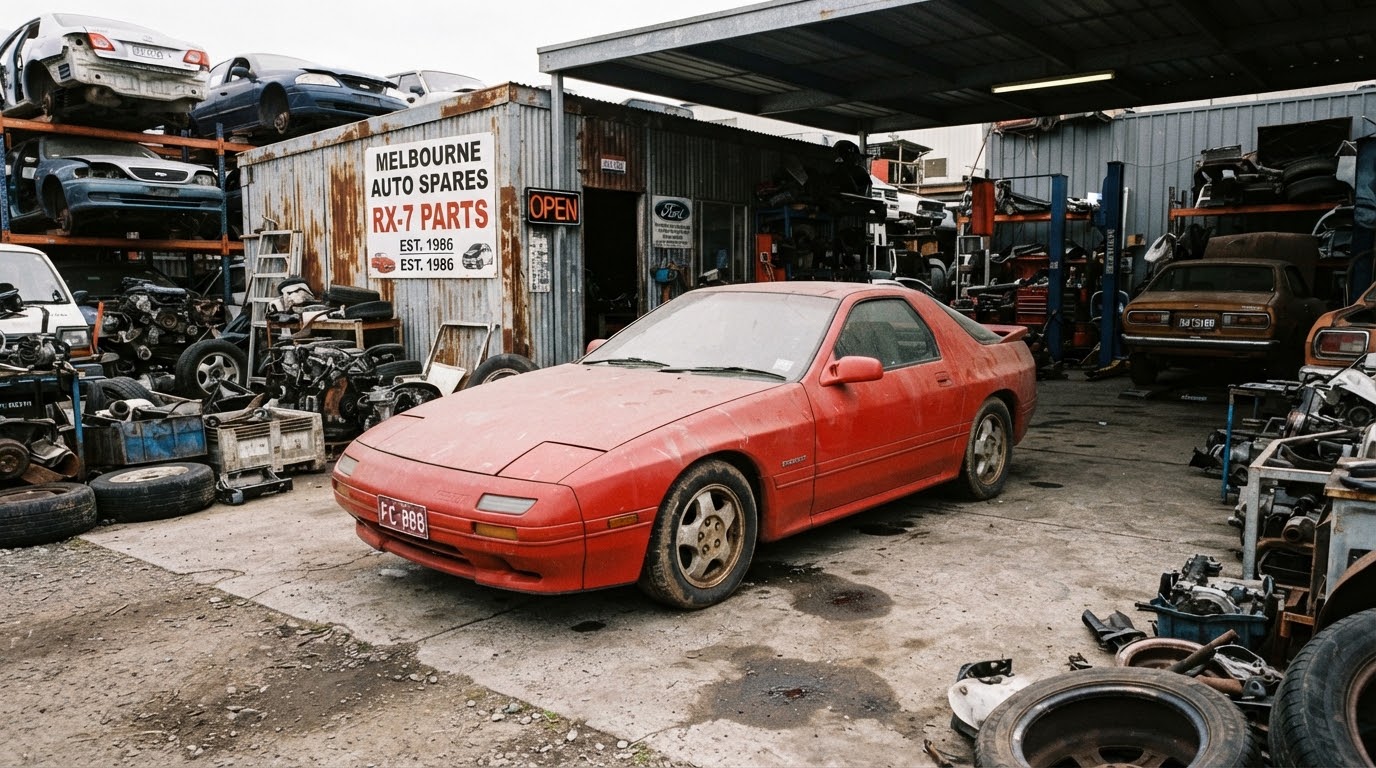
The term "Mazda rotary wrecker" can sound rough, but the reality is more surgical. A proper operation like Just Rotaries in Melbourne does not just crush cars. They acquire vehicles that have reached the end of their road - often through collision, mechanical failure, or simply age - and then carefully dismantle them. The goal is to recover every usable component before the rest is recycled. For someone like me, that means access to parts that were discontinued years ago.
Take the Eunos Roadster, for example. While it is better known for its conventional piston engine, some variants and aftermarket builds used rotary power. Finding a correct intake manifold or a specific intercooler setup for one of those builds can be nearly impossible through normal channels. A wrecker that specialises in Mazda rotary vehicles will have pulled those parts from a half-cut donor and stored them properly. That is the difference between a part that works and a part that is just scrap metal.
I remember hunting for a clean set of side housings for a 13B rebuild. New ones were on backorder with no ETA. I called around to general auto recyclers and got blank stares. When I finally contacted a dedicated Mazda rotary wrecker, they had three options on the shelf. They even checked the wear patterns on each one before shipping. That is the level of service that keeps these cars going.
Why Rotary Parts Are Different
Anyone who has rebuilt a rotary engine knows that the parts are not interchangeable with anything else. The rotor housing has a distinct chrome plating that must be intact. The apex seals wear in a way that leaves a signature on the housing surface. The oil seals, if dried out or cracked, can cause a car to smoke like a freight train. A wrecker who understands these parts will inspect each component before offering it for sale. They know that a rotor housing with a small scratch might still be usable, while one with a deep score is only good for scrap.
The supply chain for rotary parts has shrunk over the years. Mazda Motorsport still produces some performance components, and companies like RE Amemiya build incredible custom parts, but those are aimed at enthusiasts with deep pockets. For the rest of us, the used market is where most of the action happens. Japan Auto Parts Industries has helped funnel some inventory out of Japan, but the real treasure troves are the local wreckers who have spent years accumulating stock from Australian-market cars.
I have bought everything from turbochargers to intercoolers to complete E-Shaft assemblies from rotary wreckers. Each time, the part arrived clean, tested, and with honest notes about its condition. That kind of transparency builds trust. When a seller tells you that a particular apex seal has a hairline crack, you believe them. And you come back next time you need something.
The Reality of Sourcing Used Rotary Engines
Buying a complete used rotary engine from a wrecker is a calculated gamble. The engine could be perfectly fine, or it could have internal damage that is not visible from the outside. A good wrecker will try to give you as much information as possible. They might tell you the car it came from, the kilometres on the clock, and the reason it was pulled. Some will even perform a basic compression test before the engine leaves the half-cut stage.
I have pulled a 13B from a half-cut RX-7 that looked rough on the outside but ran beautifully once it was in my car. The rotor housings were clean, the side housings were within spec, and the oil seals were holding pressure. That was a lucky find. On the other hand, I have also bought an RX-8 Renesis that looked promising but turned out to have a cracked rotor housing. The wrecker refunded me without argument. That is the kind of relationship you want with your supplier.
When you are dealing with engines that have been out of production for decades, you learn to appreciate the people who stockpile the parts that nobody else wants. The Mazda rotary wrecker is not just a business. They are a repository of knowledge. They can tell you which years of the RX-7 had the strongest oil seals, which Renesis revisions are most likely to fail, and which intercooler setup works best for a mild turbocharger upgrade.
What to Look For in a Rotary Wrecker
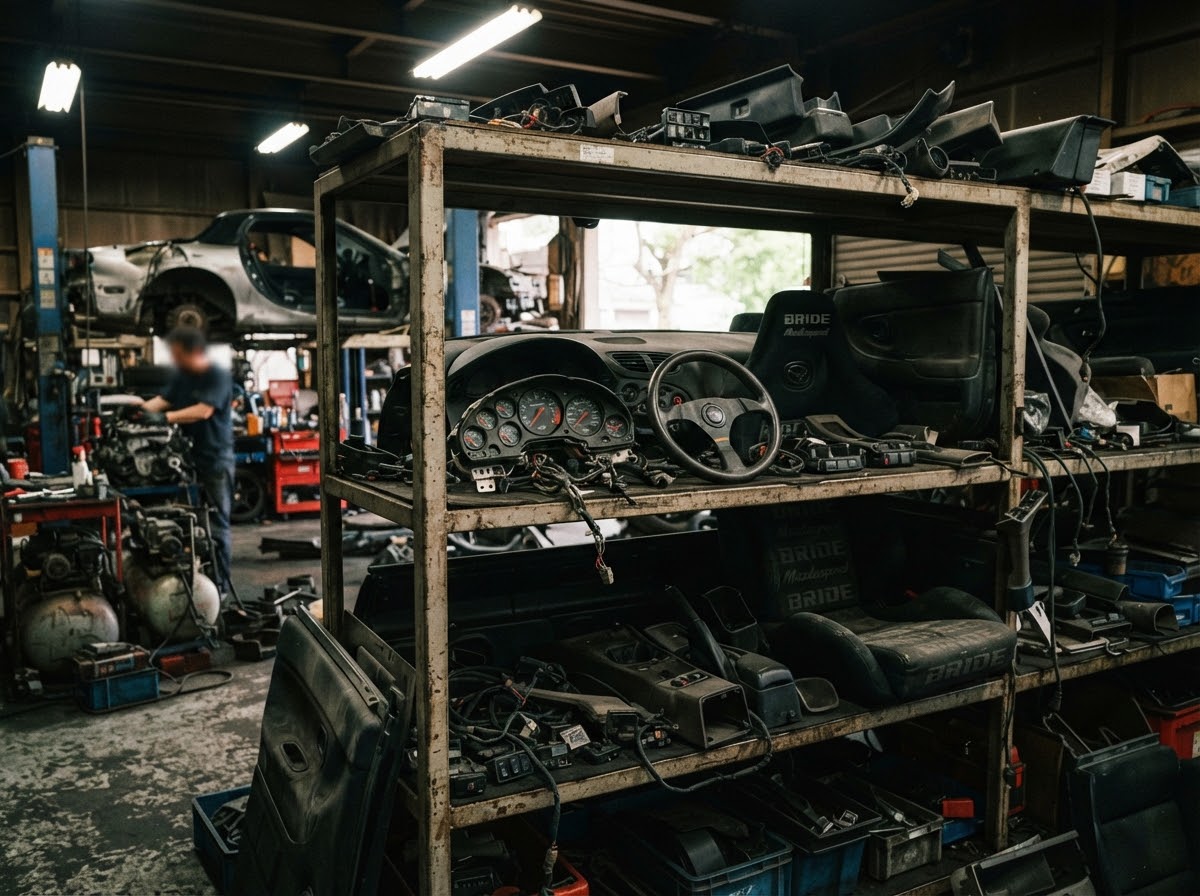
Not every wrecker is the same. Some are general recyclers who happen to have a few Mazdas on the lot. Others, like Just Rotaries, focus exclusively on rotary-powered cars. The difference shows in the quality of the parts and the accuracy of the descriptions. A specialist will know the difference between a 13B-REW and a 13B-MSP without having to look it up. They will know that the side housing from a 1993 RX-7 will not fit a 1995 without modification. That expertise saves you time and money.
Here are a few things I look for when dealing with a Mazda rotary wrecker:
- Do they offer detailed photos of the actual part, not stock images?
- Do they answer questions about wear patterns, scoring, and seal condition?
- Do they have a return policy that covers hidden defects?
- Do they clearly label which model and year the part came from?
- Do they store parts in a way that prevents corrosion and damage?
If the answer to most of those is yes, you are in good hands. If not, you might be buying someone else's problem.
The Human Side of the Rotary Community
The rotary world is small. The people who run these wreckers are often enthusiasts themselves. They have owned RX-7s, RX-8s, and maybe a few Eunos Roadsters along the way. They understand the frustration of a car that will not start and the joy of a successful rebuild. That shared experience makes the transaction feel less like a sale and more like a conversation between people who care about the same thing.
I have spent hours on the phone with a wrecker in Melbourne, talking about apex seal materials, oil seal tolerances, and the best way to clean a rotor housing. That conversation did not lead to a sale that day, but it led to a relationship that has lasted years. When I needed a rare E-Shaft for a project, they remembered me and gave me first refusal before listing it publicly.
That is the value of a specialist Mazda rotary wrecker. They are not just a source of parts. They are a node in the network that keeps these cars alive. Without them, many of the rotary Mazdas on the road today would have been scrapped years ago. The parts would have been melted down or shipped overseas. Instead, they end up in garages, being bolted onto cars that still have years of life left.
Looking After What You Find
Once you get a good part from a wrecker, treat it right. Store rotor housings flat to prevent warping. Keep side housings in a dry place. Bag and label your oil seals and apex seals so you do not mix them up. A little organisation goes a long way when you are in the middle of a rebuild. And when you eventually have parts you no longer need, consider sending them back to a wrecker. They can test, clean, and resell them to someone else who needs them.
The rotary ecosystem is circular. Parts flow from cars that have stopped running into cars that are still going. The Mazda rotary wrecker sits at the centre of that flow. They are the ones who decide what gets saved and what gets scrapped. If you are serious about keeping your rotary Mazda on the road, find a good one and treat them well. They are worth their weight in chrome.